


Project VENDA© works to effectively contain and manage the abuse of narcotics and substances among children and young adults and has impacted the lives of over 1.2 million children. Recognised by the United Nations Office on Drugs and Crime (UNODC) as a best practice for prevention interventions, this evidence-based model works with multi-stakeholders to support the drug demand reduction efforts of the country.


Highlights


Key Features

Best Practice Model
The S.A.F.E. School program by Project VENDA is recognized by the United Nations Office on Drugs and Crime and the Vienna NGO Committe on Drugs as a best practice model for evidence based prevention.

Evidence Based Intervention
Project VENDA's S.A.F.E. School program has already been implemented in 9 districts of Kerala. 1000000+ students have been part of the program.

Scientific Approach
The S.A.F.E. School program by Project VENDA takes a scientific approach. Majority of the content is digitised to reduce dependency on the trainers. The training happens in batches of 50 for effective and interactive delivery.

Monitoring & Evaluation
Project VENDA's S.A.F.E. School program is continuously evolved and upgraded based on the feedback and response from teachers, students, and parents.


Project VENDA© works with schools to create S.A.F.E. (Substance Abuse Free Environments). Designed in alignment with the international guidelines of the United Nations Office on Drugs and Crime (UNODC) for school-based substance abuse prevention, the program adopts an education-oriented approach. It builds on the inherent strengths of all stakeholders within the school and out of school ecosystems, working with students, school drop outs, teachers, parents, and administrators, while promoting a scientifically grounded, evidence-based framework for substance abuse prevention.
.jpg)


Student Empowerment Program
for well informed health choices

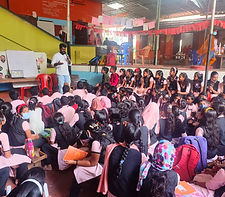
This classroom and non classroom awareness-based education program equips students with a clear understanding of the brain science behind addiction and substance abuse. Curated sessions are integrated to help students recognise their uniqueness and inherent strengths, empowering them to realise their true potential and make responsible, well-informed health choices.
Teacher Sensitisation Program
for frontline of care and guidance

This program equips teachers with the knowledge and skills to responsibly engage with students on the ill effects of substance abuse and related addictions. It supports teachers in recognising early signs of high-risk behaviours and responding appropriately within the school setting, including guiding students towards care, counselling and other professional support. Teachers are positioned as the frontline of care and guidance within schools, strengthening their role in shaping positive attitudes, fostering student wellbeing, and contributing to the creation of Substance Abuse Free Environments
Positive Parenting Program
for creating safe, nurturing home environments

This program supports parents in creating safe, nurturing home environments and strengthening caring family relationships. It offers practical guidance to help parents navigate common behavioural and developmental challenges across different stages of childhood and adolescence. The workshops reaffirm the vital role of parents in fostering Substance Abuse Free Environments for children and youth, using a structured approach that is thoughtfully adapted to diverse socio-cultural contexts.
School Safety Audit
for creating drug free school communities.

The S.A.F.E. School assessments works to create Substance Abuse Free Environments within schools and surrounding neighbourhoods to support institutions in developing clear, actionable roadmaps toward becoming substance-free zones. Using a holistic approach, the survey examines both physical infrastructure and institutional policies, enabling schools to identify strengths, gaps, and opportunities for creating drug free school communities.


Project VENDA© works with schools to create S.A.F.E. (Substance Abuse Free Environments). Designed in alignment with the international guidelines of the United Nations Office on Drugs and Crime (UNODC) for school-based substance abuse prevention, the program adopts an education-oriented approach. It builds on the inherent strengths of all stakeholders within the school and out of school ecosystems, working with students, school drop outs, teachers, parents, and administrators, while promoting a scientifically grounded, evidence-based framework for substance abuse prevention.
S.A.F.E. Communities


Koottayma
for fostering a sense of shared responsibility.

Aimed at promoting community ownership, VENDA Koottayma is a monthly community gathering held within neighbourhoods, bringing together local stakeholders to discuss shared concerns and collectively plan actionable solutions. Activities, games, and entertainment are thoughtfully integrated into the gatherings to encourage participation, strengthen engagement, and foster a sense of shared responsibility.
Capacity Building
for collective responsibility and coordinated action.

Contextualising evidence-based prevention science and supporting community stakeholders to develop action plans and implementing prevention programs within their communities. This program engages a wide range of stakeholders, including government officials, enforcement agencies, village administration, child development workers, parents, and teachers, strengthening collective responsibility and coordinated action.
MotherSchools
for at-risk homes, mothers become frontline defenders.

MotherSchools India - Women without Borders (WwB) ‘MotherSchools: Parenting for Peace’ model, developed and designed by Women without Borders an international non-profit organisation works towards women leadership and empowerment as the potential of empowering the mothers in the most vulnerable circumstances. ‘MotherSchools are not schools in the traditional sense; they are a series of weekly workshops connecting mothers to share their experiences, discuss concerns, learn from each other and discover their power as parents to bring peaceful solutions to common problems affecting the youth in vulnerable homes and neighbourhoods.
MotherSchools India
MotherSchools India
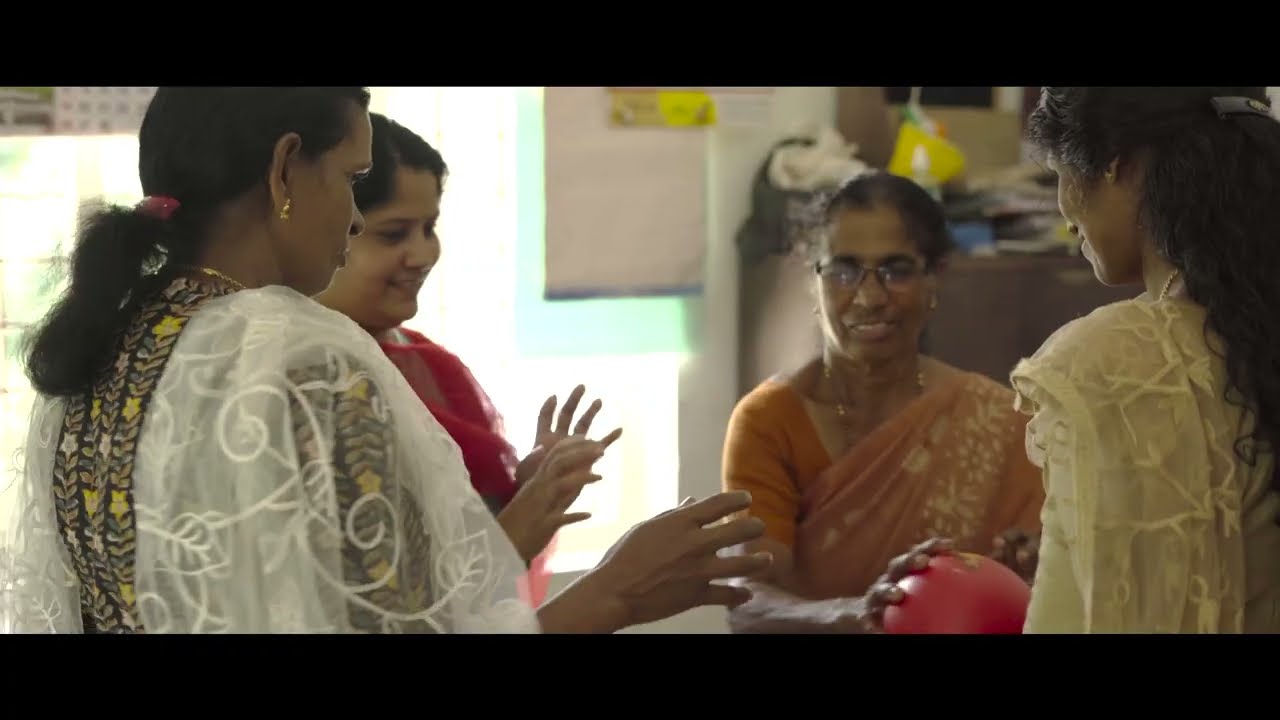
MotherSchools India - Batch of 2024

The voice of MotherSchools, India.

Motherschools
S.A.F.E. Spaces
for collective responsibility and coordinated action.

This program encourages community stakeholders to collectively safeguard shared public spaces such as playgrounds, beaches, bus stops, and local shops, using community resources to ensure children have access to safe, supportive environments that contribute positively to their development.